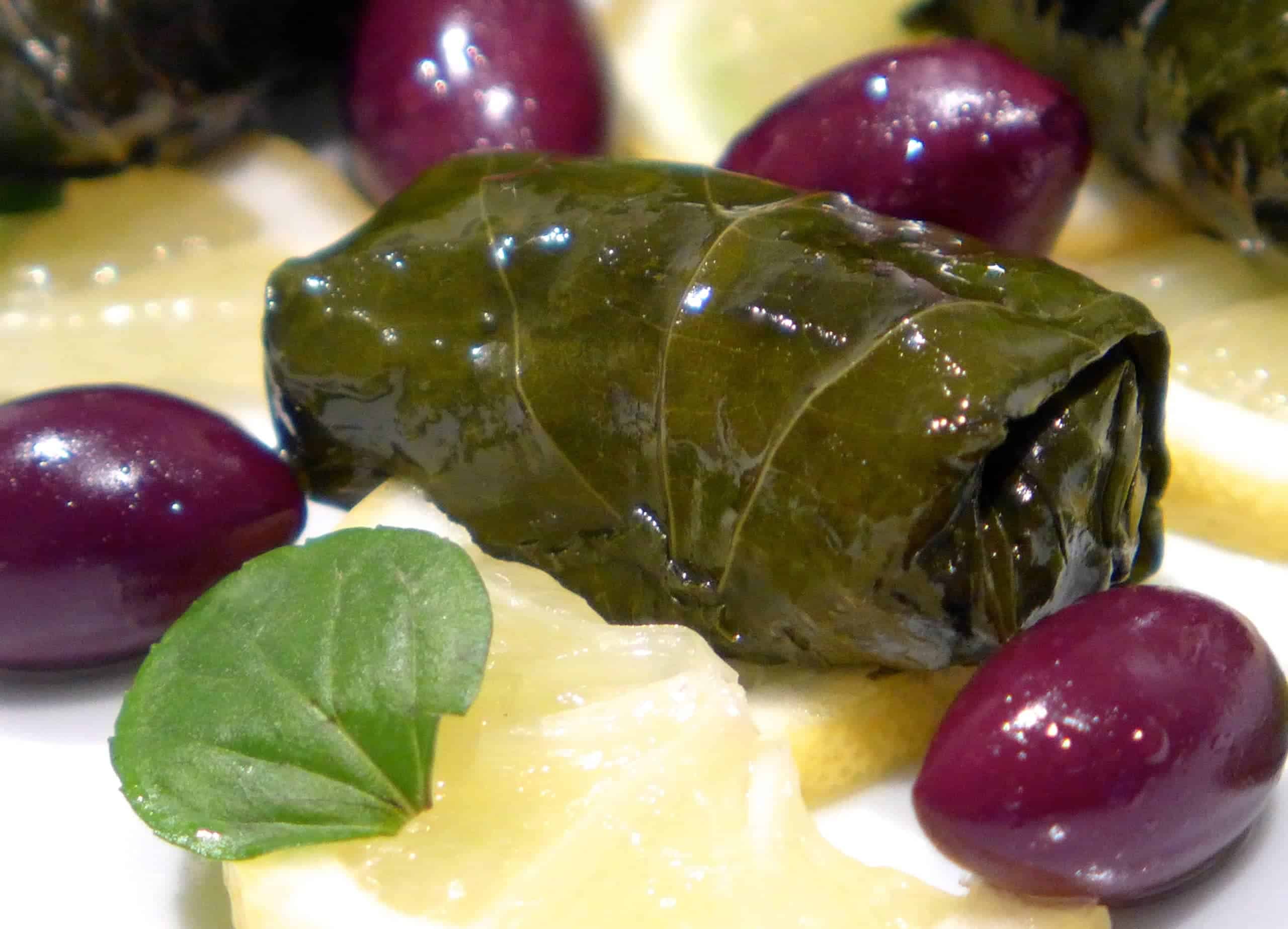
Greek Dolmades: The Ultimate Stuffed Vine Leaf Appetizer Recipe
When the sun-drenched landscapes and azure waters of Greece come to mind, so too do the culinary treasures that define its vibrant culture. Among grilled halloumi, fresh salads, and glistening olive oil, there exists a dish that encapsulates comfort, elegance, and tradition in every bite: Dolmades. These delicate parcels of vine leaves, meticulously wrapped around a fragrant filling of rice, herbs, and sometimes tender minced meat, are more than just food; they are a cherished ritual, a symbol of family, and a cornerstone of Greek hospitality. Many home cooks, and even seasoned chefs, share fond memories of learning the art of rolling dolmades in a grandmother’s kitchen, guided by patient hands. The experience is often described as meditative, a dance between precision and love that transforms simple ingredients into something truly extraordinary. It's this deep connection to heritage and flavor that makes mastering a superb dolmades recipe such a rewarding endeavor. Whether served warm as part of a lavish mezze spread or enjoyed chilled as a refreshing snack, dolmades embody the very essence of Greek gastronomy: freshness, robust flavor, and an unwavering commitment to bringing people together. Prepare to embark on a culinary journey that will transport your senses straight to the Aegean Sea.What Are Greek Dolmades? A Culinary Journey Through Stuffed Vine Leaves
The term "Dolmades" (Ντολμάδες) is the plural form of "dolma," a word with Ottoman Turkish roots that broadly refers to any stuffed vegetable dish. While variations of stuffed vegetables exist across the Eastern Mediterranean, Middle East, and Balkans, Greek dolmades have carved out their own distinct identity, becoming an iconic staple on family tables and in tavernas throughout Greece. At their heart, dolmades are grape leaves, carefully blanched to tender perfection, then filled and rolled into compact cylinders before being slow-simmered in a zesty, aromatic broth. There are two primary styles of Greek dolmades, each offering a unique flavor experience:- Vegetarian Dolmades (Yiaprakia or Orphanika): These are typically stuffed with a rich mixture of short-grain rice, finely diced onions, and a generous medley of fresh herbs such as dill, mint, and parsley. Often, a hint of lemon zest, a touch of pine nuts, or even currants can be added for extra layers of flavor and texture. These are traditionally served cold, often drizzled with extra virgin olive oil and a squeeze of fresh lemon, making them a refreshing appetizer or light meal.
- Meat-Inclusive Dolmades: In this version, the rice and herb mixture is combined with minced meat, usually lamb, beef, or a blend of both. Spices like allspice or cinnamon might also be introduced, adding depth and warmth. Meat-filled dolmades are often served warm, sometimes accompanied by a creamy avgolemono (egg-lemon) sauce, which elevates their savory profile.
Why Every Home Cook Should Master the Dolmades Recipe
For many, the idea of rolling dozens of individual vine leaves might seem daunting, but once you embrace the rhythm, making dolmades becomes a wonderfully meditative and deeply satisfying culinary art. There are numerous compelling reasons why every enthusiastic home cook should add a reliable dolmades recipe to their repertoire. Firstly, the sheer impressiveness of a platter of homemade dolmades cannot be overstated. They look intricate, elegant, and instantly convey a sense of care and culinary skill, making them perfect for entertaining guests or simply treating yourself to something special. Yet, despite their sophisticated appearance, the process is surprisingly straightforward after a few practice rolls. Secondly, dolmades offer incredible versatility. While the traditional Greek flavors are divine, you can easily adapt the herbs, spices, and even the type of rice to suit your preferences. Want a hint of spiciness? Add a pinch of red pepper flakes. Prefer more citrus? Amp up the lemon. This adaptability makes them a fantastic canvas for your own culinary creativity. If you're looking for even more ways to customize this classic dish, our article on Master Greek Dolmades: Authentic Recipe, Tips & Delicious Variations offers plenty of inspiration. Beyond their visual appeal and adaptability, dolmades are a testament to fresh, wholesome ingredients. Vine leaves themselves offer a subtle earthiness, while the abundance of fresh herbs provides antioxidants and vibrant flavor. Cooked gently in olive oil and lemon, they are a lighter, yet profoundly satisfying, dish. Making dolmades is also an opportunity to connect with a rich cultural tradition, much like baking sourdough or making pasta from scratch. It's a way to carry forward a piece of history and inject your cooking with a profound sense of heritage.Essential Ingredients for the Perfect Dolmades Recipe
The beauty of a truly authentic dolmades recipe lies in the quality and freshness of its core ingredients. While seemingly simple, each component plays a crucial role in building the layered flavors that make this dish so beloved.Choosing Your Vine Leaves: Fresh vs. Jarred
The foundation of any good dolmades recipe is, of course, the vine leaf. You have a couple of options:
- Fresh Vine Leaves: If you're lucky enough to have access to tender, young grape leaves (ideally from unsprayed vines), these are the gold standard. They need to be blanched briefly in boiling water until pliable before use.
- Jarred/Brined Vine Leaves: These are widely available in Mediterranean or specialty grocery stores and are a convenient alternative. Look for leaves that are bright green, intact, and not too thick or tough. Before using, they must be thoroughly rinsed to remove excess brine and then soaked in cold water for about 30 minutes, changing the water once or twice, to reduce their saltiness. Gently pat them dry before rolling. A typical recipe might use 50-70 leaves, depending on their size and your desired yield.
The Heart of the Filling: Rice and Aromatics
The rice is the primary component of the stuffing. Medium-grain rice (like Arborio or Carolina) is often preferred for its ability to absorb flavor and achieve a creamy, yet distinct, texture when cooked. Short-grain rice can also work well, providing a chewier texture. Rinsing the rice thoroughly before mixing is a common practice to remove excess starch.
The aromatic base typically includes:
- Onions: Finely diced and often sautéed briefly in olive oil to soften and sweeten them, forming the flavor foundation.
- Garlic: Minced, it adds an indispensable depth to the savory profile.
The Soul of the Flavor: Fresh Herbs and Seasonings
This is where Greek dolmades truly shine. A generous hand with fresh herbs is key:
- Dill: Essential for that distinct, fresh, slightly anise-like flavor.
- Mint: Adds a bright, cooling contrast.
- Parsley: Provides a fresh, herbaceous base.
- Other considerations: Some recipes might include a touch of oregano, chives, or even fennel fronds for subtle variations.
Beyond herbs, you'll need:
- Extra Virgin Olive Oil: The lifeblood of Greek cuisine, it adds richness, aroma, and helps to conduct the flavors. Used both in the filling and the cooking liquid.
- Lemon Juice & Zest: Critical for the characteristic tangy brightness that cuts through the richness and lifts all the other flavors.
- Salt & Freshly Ground Black Pepper: Season generously, tasting the filling as you go.
- Optional Spices: A pinch of allspice or cinnamon for meat-filled dolmades, or a touch of sugar to balance acidity in vegetarian versions.
- Pine Nuts/Currants: For added texture and a hint of sweetness in vegetarian versions.
Optional: Minced Meat
If opting for meat dolmades, lean minced lamb, beef, or a combination of both is typically used. The meat adds a richer, more substantial quality to the dish, making it a heartier option often served warm.
Mastering the Art of Rolling and Cooking Dolmades
The magic of a perfect dolmades recipe isn't just in the ingredients; it's in the careful technique of assembly and cooking. Once you get the hang of it, the process flows beautifully.Preparing the Filling
- Sauté Aromatics (Optional): For maximum flavor, gently sauté the finely diced onions and garlic in a generous amount of olive oil until translucent and softened. This mellows their raw edge.
- Combine Ingredients: In a large bowl, combine the uncooked rice (rinsed), sautéed aromatics (if using), all the chopped fresh herbs, lemon juice, lemon zest, salt, pepper, and a good glug of extra virgin olive oil. If making meat dolmades, add the minced meat at this stage. Mix thoroughly with your hands until everything is well incorporated. This is the moment to taste and adjust seasonings; remember the flavors will meld further during cooking.
The Rolling Technique: Precision and Patience
This is the most critical step for beautiful, intact dolmades. It's simpler than it looks, promise!
- Prepare Your Workspace: Lay a vine leaf flat on a clean surface or cutting board, with the shiny side facing down and the stem end pointing towards you. If the leaf is very large, you can trim it or cut it in half, removing the tough stem. Use any torn or extra leaves to line the bottom of your cooking pot.
- Place the Filling: Spoon a small amount of filling (about 1-2 teaspoons for an average leaf, depending on its size) onto the base of the leaf, just above where the stem was. Form it into a small, compact cylinder. Do not overfill, as the rice will expand during cooking, risking burst dolmades.
- Fold the Sides: First, fold the bottom part of the leaf up and over the filling.
- Tuck and Roll: Next, fold the two side edges of the leaf inwards, towards the center of the filling. Then, starting from the bottom, tightly roll the leaf upwards towards the tip. The goal is a compact, uniform cylinder that won't unravel during cooking.
- Repeat: Continue this process, lining them up neatly as you go. You'll quickly find your rhythm. For a visual guide and more advanced techniques, check out our comprehensive Authentic Greek Dolmades: A Chef’s Step-by-Step Guide.
Cooking the Dolmades: Simmered to Perfection
- Line the Pot: Choose a wide, heavy-bottomed pot. Line the bottom with any leftover torn vine leaves, thin slices of onion, or lemon slices. This prevents the bottom layer of dolmades from sticking or burning.
- Arrange the Dolmades: Neatly arrange the rolled dolmades in concentric circles or rows, packing them snugly but not crushing them. This helps them stay together during simmering. You may need to create multiple layers.
- Add Cooking Liquid: In a bowl, whisk together water or vegetable/chicken broth, more fresh lemon juice, and a generous amount of extra virgin olive oil. Gently pour this liquid over the dolmades until they are just covered.
- Weigh Them Down: To prevent the dolmades from floating and unraveling, place a heatproof plate directly on top of the uppermost layer.
- Simmer: Bring the liquid to a gentle simmer over medium-high heat, then reduce the heat to low, cover the pot tightly, and let them simmer for 45-60 minutes, or until the rice is tender and the vine leaves are soft. Meat-filled dolmades might require a slightly longer cooking time.
- Rest: Once cooked, turn off the heat and let the dolmades rest in their liquid for at least 30 minutes (or even an hour) with the lid on. This allows them to absorb all the delicious flavors and settle.
Tips and Tricks for Your Best Dolmades Recipe Yet
- Don't Overfill: This is the most common mistake. Rice expands, so leave room!
- Quality Olive Oil: Use the best extra virgin olive oil you can afford; its flavor is prominent.
- Taste Test the Filling: Since the rice is uncooked, you can taste the filling and adjust salt, pepper, and lemon before rolling.
- Tight Rolls: A firm but gentle roll ensures the dolmades hold their shape.
- Balance the Lemon: Adjust the lemon juice in the cooking liquid to your preference for tanginess.
- Serve at the Right Temperature: Vegetarian dolmades are often enjoyed chilled, while meat dolmades are typically served warm.
Serving Suggestions & Pairings
Dolmades are incredibly versatile. Serve them as part of a traditional Greek mezze platter alongside creamy tzatziki, salty feta cheese, kalamata olives, and warm pita bread. They also make an excellent side dish to grilled fish, chicken, or lamb. For a truly authentic experience, pair them with a crisp, dry Greek white wine like Assyrtiko or a refreshing retsina.
