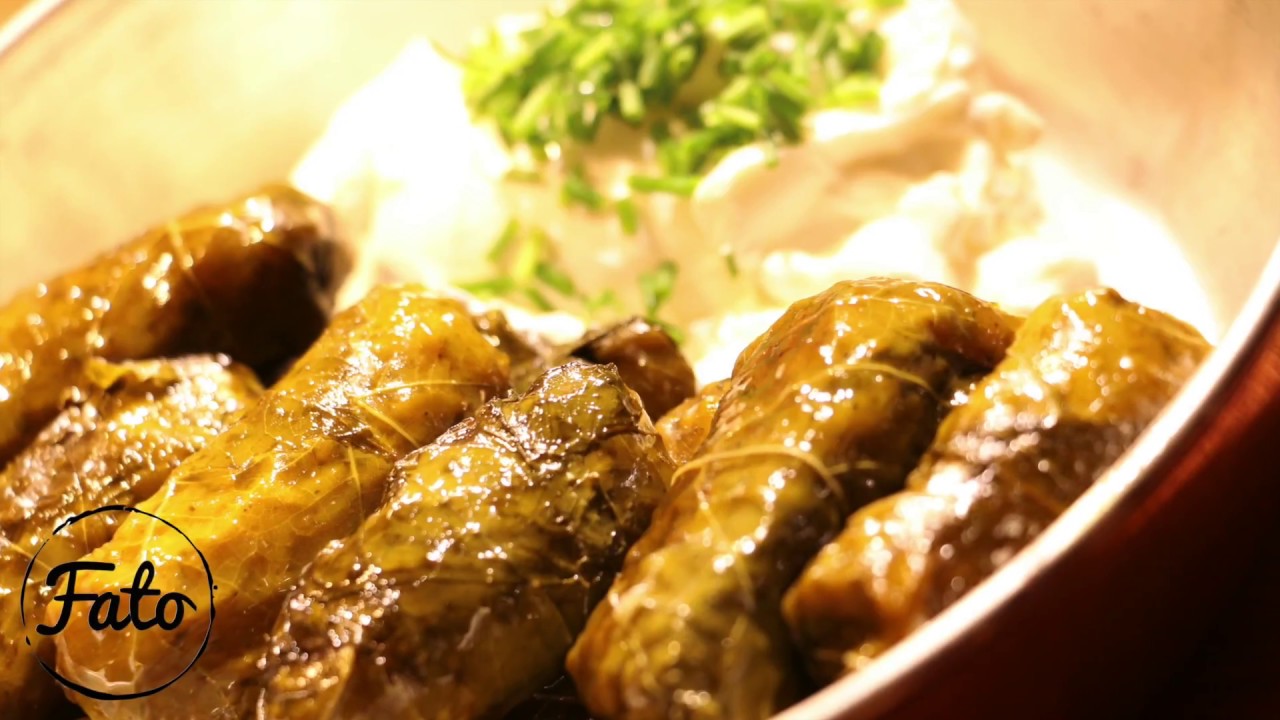
Authentic Greek Dolmades: A Chef’s Step-by-Step Guide to Culinary Perfection
When one conjures images of Greek cuisine, the mind often dances with visions of sun-drenched beaches, glistening olive groves, and tables laden with grilled seafood, vibrant salads, and golden olive oil. Yet, nestled within this rich tapestry of flavors is a dish that whispers tales of tradition, comfort, and elegance: Dolmades. These delicate parcels of vine leaves, lovingly stuffed with a fragrant mixture of rice, herbs, and sometimes meat, are more than just food; they are an embodiment of Greece's soulful culinary heritage.
For many, the creation of dolmades is a cherished ritual passed down through generations. I vividly recall the patient smile of my grandmother as she guided my novice hands, showing me how to gently swaddle the vibrant green leaves around the aromatic rice filling. "It’s not just food," she’d murmur, "it’s memory wrapped in leaves." This sentiment has resonated with me through countless batches, each roll carrying a piece of that story, a touch of that warmth. Mastering an authentic dolmades recipe is an art form, a journey that transports you straight to the heart of a Greek family kitchen.
What Are Dolmades? Unwrapping a Mediterranean Treasure
At their core, Dolmades (the plural of dolma, a term found across the Eastern Mediterranean and Middle East) are grape or vine leaves filled with a seasoned mixture and then gently simmered. In Greece, they hold a special place on the family table, deeply ingrained in cultural identity. The most common Greek rendition, often referred to as Dolmadakia when vegetarian and small, features a luscious filling primarily composed of short-grain rice, finely chopped onions, and an abundance of fresh herbs like dill, mint, and parsley. Some variations incorporate minced lamb or beef, adding a hearty dimension to the dish.
This dish's appeal is multifaceted. It’s an incredibly versatile creation, served warm as a proud component of a generous mezze spread, or chilled as a refreshing snack on a balmy afternoon. Dolmades encapsulate the essence of Greek gastronomy: freshness, robust flavor, and a deep connection to family and tradition. While they might appear intricate at first glance, the process of preparing them soon transforms into a meditative, rhythmic cooking ritual. Beyond sustenance, they offer a tangible link to history and a way to share love through food.
Key Ingredients for an Authentic Dolmades Recipe
Crafting the perfect dolmades begins with selecting the finest ingredients. Quality truly shines through in this simple yet profound dish. Here's what you'll need to embark on your Greek Dolmades: The Ultimate Stuffed Vine Leaf Appetizer Recipe journey:
- Vine Leaves: The foundation of our dolmades. You can use fresh leaves (blanch them briefly) or jarred/canned vine leaves, which are more commonly available. If using jarred, ensure they are thoroughly rinsed to remove excess brine. Aim for about 60 medium-sized leaves for a substantial batch.
- Rice: Short-grain or medium-grain rice (like Arborio or Carolina) is ideal. Its starchiness helps bind the filling and gives it a wonderfully tender texture when cooked.
- Onions: Finely chopped, these provide a sweet, aromatic base for the filling.
- Fresh Herbs: This is where the magic happens! A generous mix of fresh dill, mint, and parsley is quintessential for the authentic Greek flavor profile. Don't skimp on these.
- Lemon: Freshly squeezed lemon juice is crucial, both for the filling and the simmering liquid, lending that characteristic bright, tangy finish.
- Olive Oil: A cornerstone of Greek cooking. Use high-quality extra virgin olive oil generously for sautéing, in the filling, and drizzled over the finished dish.
- Seasoning: Salt and freshly ground black pepper are essential. A pinch of sugar can balance the acidity of the lemon and tomatoes (if using).
- Optional (for meat version): Lean minced lamb or beef.
- Broth/Water: For simmering, a light vegetable broth or plain water will suffice, combined with lemon juice and olive oil.
Crafting the Flavorful Filling: The Heart of Your Dolmades
The filling is the soul of dolmades. Its preparation sets the stage for the entire dish. Here’s how to create a vibrant, aromatic stuffing:
- Sauté the Onions: In a generous splash of olive oil, gently sauté the finely chopped onions over medium heat until they become translucent and fragrant, about 5-7 minutes. This softens their bite and brings out their natural sweetness.
- Add the Rice: Stir in the short-grain rice and sauté for another 2-3 minutes, allowing it to toast slightly. This step helps the rice absorb flavors and prevents it from becoming mushy.
- Introduce the Herbs: Remove the pan from the heat and stir in your abundant fresh herbs—dill, mint, and parsley. The heat from the pan will gently wilt them, releasing their intoxicating aromas.
- Season and Taste: Season generously with salt and freshly ground black pepper. Add a good squeeze of fresh lemon juice and a final drizzle of olive oil. Mix thoroughly. At this point, you can taste a tiny bit of the mixture (before adding meat if using) to adjust seasoning.
- (Optional) Incorporate Meat: If making meat dolmades, add the raw minced lamb or beef to the rice and herb mixture. Mix well to ensure it’s evenly distributed.
A Chef’s Step-by-Step Guide to Rolling and Simmering Dolmades
Now comes the part that many find daunting but is, in fact, a delightful dance of dexterity and patience: the rolling. Think of it as wrapping a tiny present, each one filled with love and flavor.
Step 1: Preparing the Vine Leaves
- If using jarred leaves, unroll them carefully and rinse thoroughly under cold water to remove excess salt and brine. Drain well. Gently pat them dry with a clean kitchen towel.
- If using fresh leaves, blanch them in boiling salted water for 2-3 minutes until they soften and turn a vibrant green. Immediately plunge them into an ice bath to stop cooking, then drain and pat dry.
- Trim any tough stems from the leaves. Lay them flat with the rough, veined side facing upwards – this is the side that will hold the filling.
Step 2: The Art of Rolling Dolmades
This is the cornerstone of any good dolmades recipe. The goal is a compact, neat parcel that won't unravel during simmering.
- Position the Leaf: Place a vine leaf on a clean work surface with the stem end facing you.
- Add the Filling: Spoon about 1-1.5 teaspoons of the prepared filling onto the center of the leaf, near the stem end. Avoid overfilling, as the rice will expand during cooking.
- Fold the Sides: Fold the bottom part of the leaf (the stem end) over the filling.
- Tuck and Roll: Next, fold the left and right sides of the leaf inwards over the filling.
- Roll Tightly: Starting from the bottom, carefully roll the leaf upwards, creating a tight, cylindrical parcel. Ensure it’s firm but not so tight that the leaf tears. Repeat with the remaining leaves and filling.
Step 3: Simmering to Perfection
Proper simmering is key to tender leaves and perfectly cooked, flavorful rice.
- Prepare the Pot: Line the bottom of a heavy-bottomed pot (a Dutch oven works well) with any broken or leftover vine leaves. This prevents the dolmades from sticking and burning. You can also place a few lemon slices on the bottom.
- Arrange the Dolmades: Carefully arrange the rolled dolmades snugly in the pot, seam-side down, in concentric circles or rows. This snug arrangement helps them hold their shape. You can layer them if necessary.
- Add Liquid and Weight: Pour a mixture of water or vegetable broth, a generous amount of fresh lemon juice, and a good drizzle of olive oil over the dolmades. The liquid should almost cover them. Place a heatproof plate directly on top of the dolmades to keep them submerged and prevent them from floating and unraveling during cooking.
- Cook: Bring the liquid to a gentle boil, then reduce the heat to low, cover the pot tightly, and simmer for approximately 45-60 minutes, or until the rice is tender and has absorbed most of the liquid. Check periodically and add a little more hot water if needed.
- Rest: Once cooked, remove the pot from the heat but keep it covered for at least 15-20 minutes. This resting period allows the flavors to meld and the rice to fully plump up.
Chef's Tips for Unforgettable Dolmades
- Don't Overfill: This is the most common mistake. Remember the rice expands significantly.
- Pack Tightly: Arranging the dolmades snugly in the pot is crucial for maintaining their shape during cooking.
- Acidity is Key: Don't be shy with the lemon juice. It brightens the flavors and helps tenderize the leaves.
- Generous Olive Oil: Olive oil contributes immense flavor and a silky texture to the dish.
- Make Ahead: Dolmades are excellent make-ahead food. Their flavors deepen beautifully overnight.
- Serving Suggestions: Serve them warm or cold, drizzled with extra olive oil and a wedge of lemon. They pair wonderfully with a dollop of creamy Greek yogurt or homemade tzatziki.
Dolmades are more than just a dish; they're an experience, a journey into the heart of Greek hospitality and flavor. This comprehensive dolmades recipe offers you a tangible piece of that rich culinary heritage. Trust me, one bite of these lemony, herby parcels, and you’ll feel like you’re sitting by the Aegean Sea, savoring the true taste of Greece.
